
 When buying a home, it’s easy to focus on its charm and amenities. However, to avoid unexpected costs, it’s crucial to inspect the major systems, including the electrical system. Electrical issues can be expensive to fix, so here are some key things to consider to ensure a smooth transition into your new home. In today’s real estate market, a professional home inspection can be a good source of information about the electrical system in the home you are interested in buying.
Electrical Outlets (Receptacles)
Location and Condition: Check where the outlets are placed and their physical condition. Look for cracks or rust.
Prong Type: Determine if the outlets are two-prong or three-prong. Homes built before the 1960s may still have two-prong outlets, which are not grounded and might not handle power surges safely.
Grounding: Outdated wiring or a lack of grounding is a safety hazard. Grounding provides a safe path for electrical currents in case of a malfunction. A professional electrician can test the system’s grounding.
Ground Fault Circuit Interrupters (GFCIs)
Kitchens, Bathrooms, and Other Wet Areas: Ensure GFCI outlets are installed in areas where water is present, such as kitchens, bathrooms and basements. GFCIs protect against electrical shock by shutting off power when a ground fault is detected.
Circuit Breaker Panel
Service Capacity: Modern homes typically have a service capacity of 100-200 Amps. Homes built before the 1960s may have lower capacities, which could be insufficient for modern electrical needs.
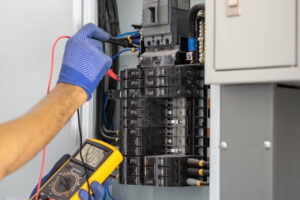
Panel Condition: Check the circuit breaker panel for any signs of damage or wear. Look for clear labeling of circuits and ensure there are no outdated or recalled panels, such as Federal Pacific or Zinsco, which are known to have safety issues.
Breaker Types: Confirm that the breakers match the capacity of the panel and that there are no double-tapped breakers (multiple wires connected to a single breaker).
Wiring Condition
Type of Wiring: Determine the type of wiring used in the home. Older homes might have aluminum wiring, knob-and-tube wiring or cloth-insulated wiring, which can be hazardous and may need replacing.
Visible Inspections: Inspect visible wiring in attics, basements and crawl spaces for signs of wear, fraying or damage.
Understanding the condition of the home’s electrical system is crucial. Electrical problems can lead to significant future expenses. Knowing what you’re dealing with can be a powerful negotiating tool and ultimately save you money. Ensuring the electrical system is up to date means you can enjoy your new home without unexpected issues.
