
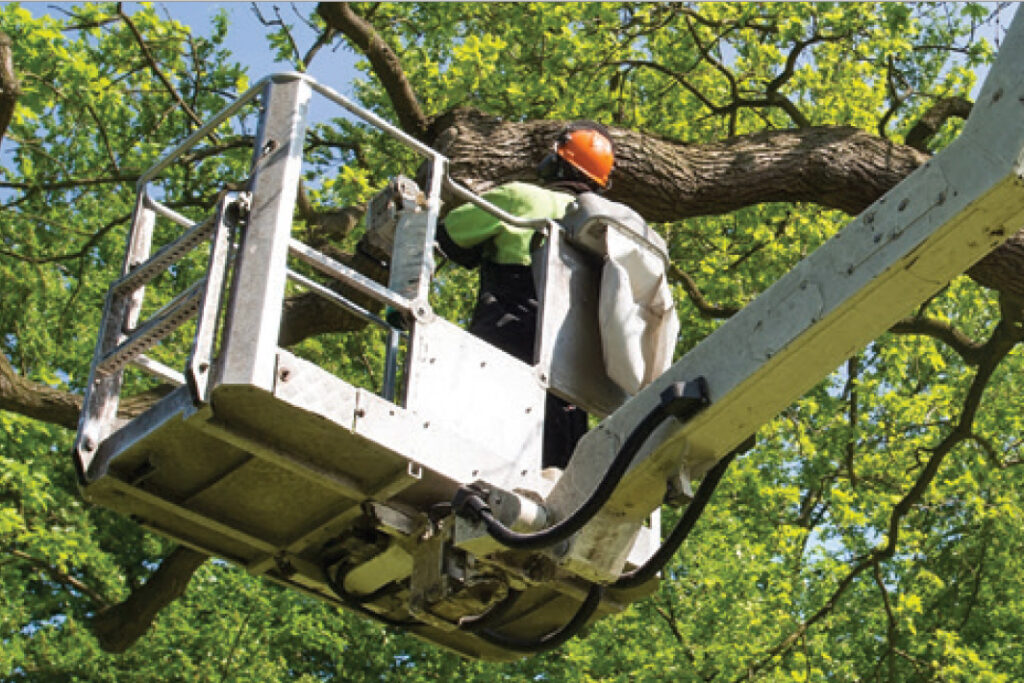
 Spring into summer is the perfect time to take care of the pruning and thinning of your trees. Pruning is the removal or reduction of problematic branches, limbs and stems from trees and shrubs. It removes dead or diseased branches, and eliminates those that chafe and could create an access point for insects and disease. Trees and shrubs also benefit from pruning because it helps manage their growth and structure, and encourages the development of new growth, keeping trees and shrubs healthy, strong and more disease resistant.
Here are some basic pruning techniques and what they are used for:
Dead Pruning: Eliminating dead, dying or diseased branches.
Crown Thinning: Removing smaller, weaker limbs from the canopy to allow more light to reach through to the center branches and to improve air circulation reducing weight and strengthening the trees overall stability.
Elevating: Cutting back low lying branches, needed for clearance or aesthetic purposes.
Reduction: Cutting back to lateral growth to control tree size. Removing small branches that are attached to the larger, heavier branches so that your trees don’t become too top-heavy.
Pollarding: Removing most of the branches (done only when a tree is dormant, usually in the winter or very early spring) so that all that remains are the secondary branches and the main trunk or stem, to produce dense new growth.
Less is definitely more when it comes to pruning. Excess pruning can shorten a tree’s life, affect its natural growth and can cause trauma that will not heal properly. As a general rule, it’s usually best to cut no more than 25% of the foliage.
It’s advisable to limit the amount of pruning done in late summer, as new growth may be encouraged on some plants. This growth may not have sufficient time to solidify or become hardy before cold weather arrives, resulting in cold damage or winter kill