
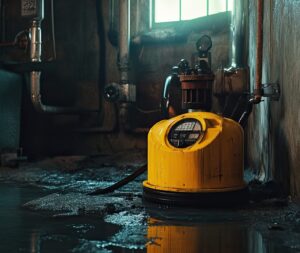
 The spring and summer storm season is about to be in full swing, making now the perfect time to inspect your sump pump and related equipment—before you’re dealing with a flooded basement during a heavy downpour.
If you have a sump pit or basin in your floor, check that it’s free of debris, as buildup can cause the pump’s float mechanism to malfunction. Debris can also clog the impeller, a small filter on the pump that helps regulate water flow. Additionally, ensure that the discharge piping includes a check valve to prevent water from flowing back into the pit after being pumped out.
When replacing a sump pump, it’s essential to inspect the check valve and confirm that the discharge pipe to the outside is clear. Even minor landscaping changes, such as a new mulch bed or garden installation, can obstruct proper drainage. This can lead to major issues if the pump activates but has nowhere to direct the water. It’s also a good idea to check the power outlet at least once a month. Many basement outlets use ground fault circuit interrupters (GFCIs), which can easily trip, cutting power to the pump and leaving your basement vulnerable to flooding.
For added protection, consider installing a backup pump system. This secondary pump, placed in the same pit, activates if the primary pump fails due to a power outage or mechanical issue. If your home relies heavily on a sump pump during storms, a backup system is a smart investment for peace of mind.
There are two main types of backup systems:
- Battery Backup System – This system runs on a 12-volt marine battery and includes a wall charger to keep the battery fully charged. Homeowners can expect 5–8 hours of pump operation from a fully charged battery.
- Water-Powered Backup System – This system operates using municipal water pressure and does not require electricity. It can function for a much longer period than a battery backup, but it won’t work if your home uses a well water system. Consult a professional to determine which backup option is best for your home.
The U.S. Department of Housing and Urban Development estimates the average lifespan of a sump pump to be around 10 years, though frequent use can shorten its longevity. Many homeowners choose to replace their pumps sooner to ensure they remain protected during storms.
