
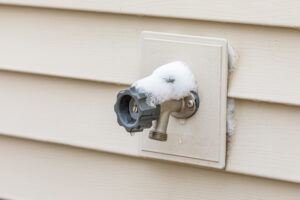
 As cooler weather approaches, leaves begin to fall and temperatures start to drop. One often overlooked task is preparing outdoor faucets for winter. When water freezes, it expands and can burst pipes, leading to significant damage such as water-soaked walls, ceilings and floors. Taking steps now to prevent such issues can save you from costly repairs.
Although some outdoor faucets are marketed as “freeze-proof,” there’s no guarantee they will withstand the coldest temperatures without freezing. While these faucets are among the best available, it’s still crucial to prepare them for winter.
Regardless of the type of outdoor faucet you have—freeze-proof or otherwise—it’s essential to remove any hoses, splitters or other attachments before winter sets in. Failing to do so increases the likelihood of the faucet freezing. Timing is critical; disconnecting hoses before freezing weather arrives is much better than waiting until it’s already cold. Even one night of freezing temperatures can cause significant damage if the faucet is not properly prepared.
Next, you should shut off the upstream water supply valve inside your home and open the outdoor faucet to drain any remaining water. Keep the faucet open until the water stops flowing completely. If the faucet continues to drip, this could indicate a faulty shut-off valve inside the house that needs replacement.
To provide extra protection, consider using an outdoor faucet protector, which is a foam cover available at most hardware and home improvement stores. Additionally, you can buy foam insulation to wrap any exposed pipes connected to the outdoor faucet for added security.
Following these simple steps can prevent headaches when temperatures plunge below freezing and make it easier to turn your outdoor faucets back on come spring. Taking the time to prepare now can save you from costly repairs and ensure a smooth transition when the weather warms up.
