
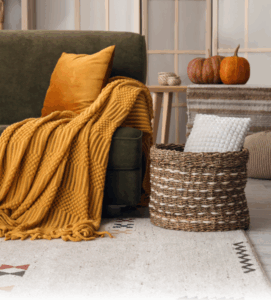
 For the past decade, design trends leaned heavily toward sleek, hard finishes—think polished concrete floors, stone countertops and minimalist metal accents. But now, soft surfaces are reemerging as a favorite in homes, offices and hospitality spaces, bringing warmth and comfort back into everyday environments.
Textiles are leading the way in this resurgence. Plush upholstery, layered rugs and tactile draperies are being used to add depth and coziness to interiors. Designers are increasingly embracing fabrics like velvet, boucle and chenille, which not only offer softness but also introduce texture and visual richness. These materials are countering the cool, stark aesthetic of industrial and modern minimalism, making spaces feel more inviting and livable.
The return of soft surfaces is also driven by lifestyle shifts. With more time spent at home, especially since the pandemic, people want spaces that feel nurturing rather than austere. A sofa that invites you to sink in, or a carpet that cushions each step, aligns with the growing emphasis on wellness and comfort in design. Soft furnishings also enhance acoustics, reducing echo and noise in open-plan layouts, a practical benefit for both homes and offices.
Color trends are reinforcing this movement. Earth tones, muted pastels and warm neutrals pair naturally with plush fabrics, encouraging layered, tactile interiors. Designers are mixing soft finishes with harder materials—pairing a velvet chair with a glass table, or a thick wool rug under sleek cabinetry—creating balance while keeping comfort at the forefront.
Beyond aesthetics, sustainability is shaping how soft surfaces return. Natural fibers like wool, cotton and hemp are in high demand, as consumers look for eco-friendly alternatives to synthetic fabrics. Brands are responding with responsibly sourced textiles and recycled content that deliver both softness and durability.
The comeback of soft surfaces signals a shift away from purely visual design toward a more sensory experience. Interiors are no longer just about how they look, but also how they feel to touch and inhabit. By layering soft materials, designers are crafting spaces that nurture, comfort and restore—qualities that resonate strongly in today’s world.
As the pendulum swings from hard to soft, it’s clear that comfort and tactility are here to stay, proving that design isn’t just seen—it’s felt.