
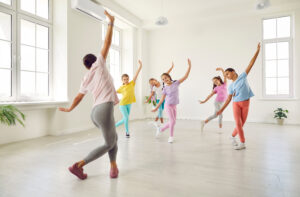
 As the 2024-2025 school year begins, students are shifting from a relaxing summer break into the structured rhythm of school and extracurricular activities. For many, this transition includes returning to the classroom as well as heading back to their dance studios for a new season. Although adjusting to a busier schedule can be challenging, the skills gained through dance education—such as discipline, concentration, creativity and emotional resilience—can ease this transition and enhance academic performance.
Discipline and Commitment
Dance education instills a sense of discipline and commitment. The practice, precision and attention to detail required in dance teach students to focus on long-term goals, meet deadlines and persist through challenges. This translates directly into the classroom, where the ability to stay organized and adhere to academic requirements is important. As the late Martha Graham, a renowned modern dancer and choreographer, once said: “I believe that we learn by practice. Whether it means to learn to dance by practicing or to learn to live by practicing living, the principles are the same.” This quote underscores how the discipline cultivated in dance can lead to a structured and successful approach to life since life always consists of practicing to progress. We are always learning, growing and evolving.
Concentration and Cognitive Function
Dance also enhances concentration and cognitive function. Mastering choreography and refining techniques requires intense focus, which improves students’ ability to engage with their academic work. This enhanced concentration helps students pay better attention to details, retain information more effectively and perform better in their studies. The mental agility developed through dance supports students in navigating academic tasks and absorbing new material.
Creativity and Stress Management
The creative aspect of dance fosters flexible thinking and problem-solving skills. Students learn to think outside the box and apply creative solutions in various contexts, including their academic work. Additionally, dance serves as a valuable outlet for managing stress. The physical activity and self-expression involved in dance help students regulate emotions and offer a respite from academic pressures. This ability to manage stress effectively contributes to emotional resilience, helping students handle the pressures of both school and extracurricular commitments with greater ease.
The skills developed through dance education offer significant benefits that extend beyond the studio. As students adjust to the demands of the new school year, the discipline, focus, creativity and emotional resilience gained through dance can enrich their academic experience, and facilitate a smoother transition. By applying these transferable skills, students can approach their studies with increased confidence and balance, achieving a more harmonious and successful year ahead.
