
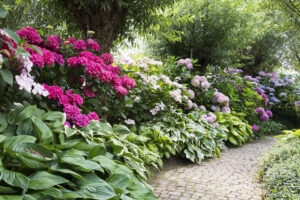
 Now you too can garden with nature at the heart of your design, using ideas on how to turn the standard lawn, trees and shrubs into an oasis that sustains wildlife, observing a wide assortment of native perennials, grasses, shrubs and trees.
Homeowners are increasingly turning to native plants to create vibrant, eco-friendly landscapes. Native plants—those that have evolved in the region over thousands of years—offer numerous benefits for both the environment and the gardener. From reducing maintenance needs to supporting local wildlife, native landscaping is an excellent way to cultivate a thriving outdoor space while preserving the region’s natural heritage.
One of the most compelling reasons to use native plants in your landscape is their adaptability. Because they are already acclimated to the local climate, soil and rainfall patterns, native species generally require less water, fertilizer and pesticides than non-native alternatives. This makes them a sustainable choice for homeowners looking to conserve resources and reduce their environmental footprint.
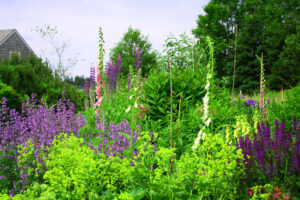 Southeast Pennsylvania’s diverse climate and geography support a wide range of native flora. Popular native perennials like Echinacea purpurea (purple coneflower), Asclepias tuberosa (butterfly weed) and Solidago species (goldenrods) offer long-lasting blooms and attract pollinators such as bees, butterflies and hummingbirds. Shrubs like Itea virginica (Virginia sweetspire) and Clethra alnifolia (summersweet) provide seasonal interest and aromatic flowers, while native grasses such as Schizachyrium scoparium (little bluestem) add texture and movement to garden beds.
In addition to their visual appeal, native plants play a critical role in supporting the local ecosystem. Many birds and insects, including the iconic monarch butterfly, rely on native plants for food and habitat. By choosing native species, homeowners can help combat habitat loss and bolster biodiversity right in their own backyards.
Implementing a native plant landscape doesn’t require a complete overhaul. You can start small—perhaps by replacing a patch of turf with a native meadow mix or adding a few native perennials to existing flower beds. Local resources like the Pennsylvania Native Plant Society and area nurseries specializing in native species can provide guidance and plant lists tailored to your specific site conditions.
Ultimately, landscaping with native plants in Southeast Pennsylvania is about more than just aesthetics. It’s a way to build a resilient, low-maintenance garden that contributes to the health of the region’s environment. With thoughtful planning and a little creativity, native plant landscapes can be as beautiful as they are beneficial.