
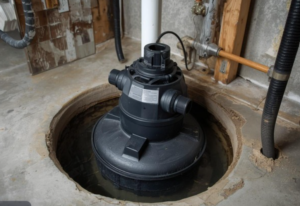
 As summer thunderstorms and fall storm systems become more frequent, now is the ideal time to inspect your home’s sump pump system before heavy rains put it to the test. A properly functioning sump pump is one of the most important defenses against basement flooding and costly water damage, yet many homeowners don’t think about it until there’s already a problem.
Start by inspecting the sump pit or basin. If your home has an existing crock in the basement floor, make sure the pit is free of dirt, gravel and other debris. Accumulated debris can interfere with the pump’s float switch, preventing the pump from activating properly when water levels rise. It can also clog the impeller, restricting the pump’s ability to move water efficiently.
It’s equally important to verify that the discharge line includes a functioning check valve. This valve prevents water from flowing back into the pit after it has been pumped out. Without a properly operating check valve, the system may cycle excessively, causing unnecessary wear on the pump and reducing its lifespan.
Whenever a sump pump is replaced, homeowners should also inspect the exterior discharge line to ensure water can flow freely away from the home. Landscaping changes, mulch beds or shifting soil can sometimes obstruct the outlet without homeowners realizing it. If the discharge line becomes blocked during a storm, the pump may continue running without effectively removing water from the foundation area.
Power supply is another critical component often overlooked. Sump pumps frequently operate on basement outlets protected by Ground Fault Circuit Interrupters (GFCIs), which can trip unexpectedly. Testing the outlet monthly helps ensure the pump will receive power when it’s needed most.
For additional protection, many professionals strongly recommend installing a backup sump pump system. Backup systems provide a secondary layer of defense if the primary pump fails due to mechanical issues or power outages during severe weather events.
There are two primary types of backup systems available. Battery-powered backups use a 12-volt marine battery paired with a charging system to provide emergency operation during outages. Depending on conditions and pump demand, homeowners can typically expect several hours of protection.
Water-powered backup systems have also become increasingly popular. These systems use municipal water pressure to operate and require no electricity. Because they are not dependent on battery capacity, they can often function much longer during extended outages. However, water-powered systems are only suitable for homes connected to municipal water supplies and are not compatible with private well systems.
According to the U.S. Department of Housing and Urban Development, the average sump pump lifespan is approximately 10 years, though longevity varies depending on usage and operating conditions. Many homeowners choose to replace aging pumps proactively for added peace of mind before storm season arrives.
