
I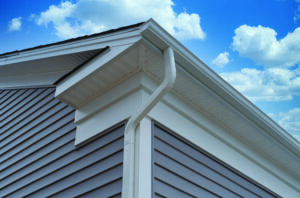 magine this: Ten short years after installing a new roof, you discover mold spreading throughout your attic. A professional evaluation reveals inadequate attic ventilation as the culprit. A new roof should last 25+ years when properly installed, but now you need a new one after just ten years due to this oversight. Unfortunately, we’ve encountered this scenario more than you’d think. Proper attic ventilation might not be as exciting as a new kitchen or bathroom, but it’s crucial for a healthy home.
Attic ventilation matters all year round, especially in our area where summers sizzle and winters chill. Here are the specific reasons to get your ventilation plan in check:
- Temperature Regulation: In the height of summer, proper attic ventilation allows hot air to escape, reducing the strain on your cooling system, lowering energy bills and preventing excessive warmth from transferring into your living spaces.
- Moisture Control: In winter, good attic ventilation prevents warm, moist air from condensing on your roof deck, reducing the risk of ice dams, mold and wood rot by keeping the attic temperature consistent with the outside.
- Extending Roof Lifespan: Excessive heat and moisture, whether from summer or winter conditions, can accelerate the aging of your roofing
 materials. Proper ventilation helps to prevent these issues by ensuring consistent airflow and reducing the risk of damage.
- Improving Indoor Air Quality: Proper ventilation ensures that stale, humid air is expelled from your home, improving overall indoor air quality.
How to Achieve Proper Attic Ventilation
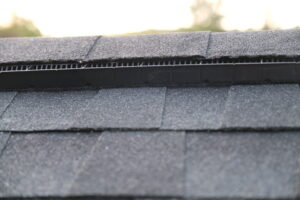
Soffit and Ridge Vents: This combination is highly effective. Soffit vents, placed along the eaves of your roof, allow fresh air to enter the attic, while ridge vents at the peak of the roof let hot air escape. This creates a balanced system that promotes effective air circulation throughout the year.
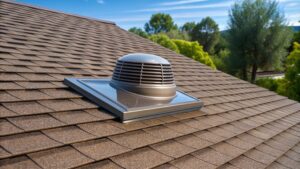
 Alternative Ventilation Options: Every home is unique, and not all can effectively utilize the soffit and ridge vent combination. Box vents, eave vents, turbine vents, gable vents and power fans are alternative solutions that can enhance airflow. Each option has its own advantages, and some can be combined for improved performance.
Regular Inspections and Maintenance: Inspect your attic annually to catch potential issues early and avoid costly repairs. Look for signs of moisture, such as mold or water stains, and check for adequate air circulation. Ensure vents are clear of debris and functioning properly to maintain effective ventilation.
Choose a reputable, licensed and insured roofing contractor to minimize the chances of a ventilation disaster. The right contractor will craft a personalized ventilation plan for your home to keep your attic mold-free and your home cozy and efficient!
