
 Many homeowners are surprised when they open their electric bill during the summer months. Air conditioning is often one of the largest energy users in a home, and when temperatures rise, it’s normal to see some increase in utility costs. However, unusually high electric bills can sometimes indicate that a home’s cooling system is working harder than necessary.
Here are some of the most common reasons homeowners experience higher energy costs during the summer.
Dirty Air Filters
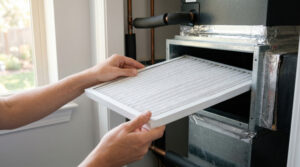
A dirty air filter is one of the simplest and most overlooked causes of increased energy consumption. When airflow becomes restricted, the air conditioning system has to run longer to keep the home comfortable. Replacing filters regularly helps maintain proper airflow and allows the system to operate more efficiently.
For most homes, standard 1-inch filters should be checked monthly during the cooling season.
Hot Attics and Poor Insulation
Many homeowners focus on the air conditioner itself without considering how much heat is entering the home. Attics can reach temperatures well above 120 degrees during the summer. If insulation levels are inadequate or attic ventilation is poor, that heat can transfer into the living space and force the air conditioner to run longer.
Adding insulation and addressing air leaks can often improve comfort and reduce cooling costs.
Leaky Ductwork
In many homes, ductwork runs through attics, crawl spaces, or unfinished basements. Over time, ducts can develop leaks or become disconnected. Conditioned air may escape before it ever reaches the rooms it was intended to cool.
In some cases, homeowners may be paying to cool areas of the home they never use.
An Aging Air Conditioning System
Like most mechanical equipment, air conditioners lose efficiency as they age. Components wear down, coils become dirty, and overall performance can decline. An older system may still cool the home adequately but require significantly more electricity to do so.
Regular maintenance can help extend equipment life and improve efficiency, but older systems often consume more energy than newer models.
Thermostat Settings and Usage Habits
Small thermostat adjustments can have a noticeable impact on energy usage. Setting the thermostat lower than necessary causes the system to run longer and consume more electricity.
Many homeowners find that keeping the thermostat around 75–78 degrees while home and slightly higher when away provides a balance between comfort and efficiency.
When Should You Be Concerned?
If your electric bill suddenly increases without a clear explanation, or if your home feels less comfortable than it has in previous summers, it may be worth having the system inspected. Often, small issues can be identified and corrected before they lead to larger repairs or continued energy waste.
Expert Tip:
A common misconception is that turning the thermostat way down will cool the house faster. In reality, most residential air conditioners cool at the same rate regardless of the temperature setting. Lowering the thermostat excessively usually just causes the system to run longer and use more electricity.