
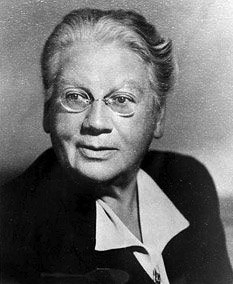
 Why did Leo Tolstoy’s daughter, Sasha, take up subsistence farming in a dilapidated farmhouse in Radnor? When she fled Russia she was accompanied by a friend, Olga Masley. Masley was offered a job as a domestic in Germantown and agreed to search for a place for them to live. In 1931, the owner of the vacant Radnor farmhouse offered it to them rent-free so they could do what they knew how to do – farm. A 1952 New Yorker article observed, “They managed so competently that they got along without spending money on anything for their dining table but tea, coffee, salt, sugar and flour.” During that time, she finished her book, “The Tragedy of Tolstoy,” and the flyleaf is signed “Alexandra Tolstoy, Newtown Square, Pennsylvania, January 13, 1933.” She would also lecture in Philadelphia on the life and work of her father. In 1933, the landlord proposed to begin charging rent. Sasha and Masley searched for a better situation and were offered a farm in Haddam, Connecticut, and so left Radnor in the spring of 1933.
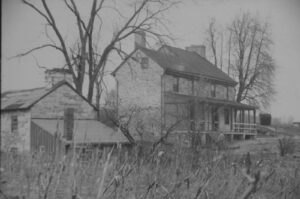 After six years, Sasha moved to a better situation, and it was there that she began her true life’s work, at the Reed farm in Valley Cottage along the Hudson River near Nyack. Her Tolstoy Foundation offered aid to her displaced countrymen lucky enough to flee the murderous Communist regime. The Foundation helped them emigrate, provided a temporary place to live, and offered language, education and training programs. Over the course of her life, Sasha and her foundation helped to re-settle over 100,000 refugees.
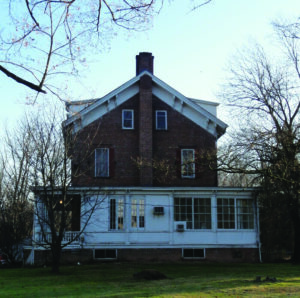 The old farmhouse still stands in Radnor, and I’ve toured the house and grounds, now beautifully renovated. That visit sent me searching for Sasha, and my journey ended on New Year’s Eve a few years ago, when my wife and I stayed in her bedroom at the Reed farm – still owned by the Foundation, with B&B rooms rented out on occasion. Several Russian families were celebrating the holiday in the kitchen below us, and conversation, music and laughter drifted up the steps to our room. We attended services that night at the beautiful Russian Orthodox Church on the grounds. We did not understand one word of what was said, but feasted our eyes on the glittering statues and paintings and icons that filled the space that would have been familiar to Sasha. While Sasha died in 1979, at age 96, her work endures.
For more history on Newtown Square, Delaware County, and membership information, please visit our website at: https://nshistory.org/