
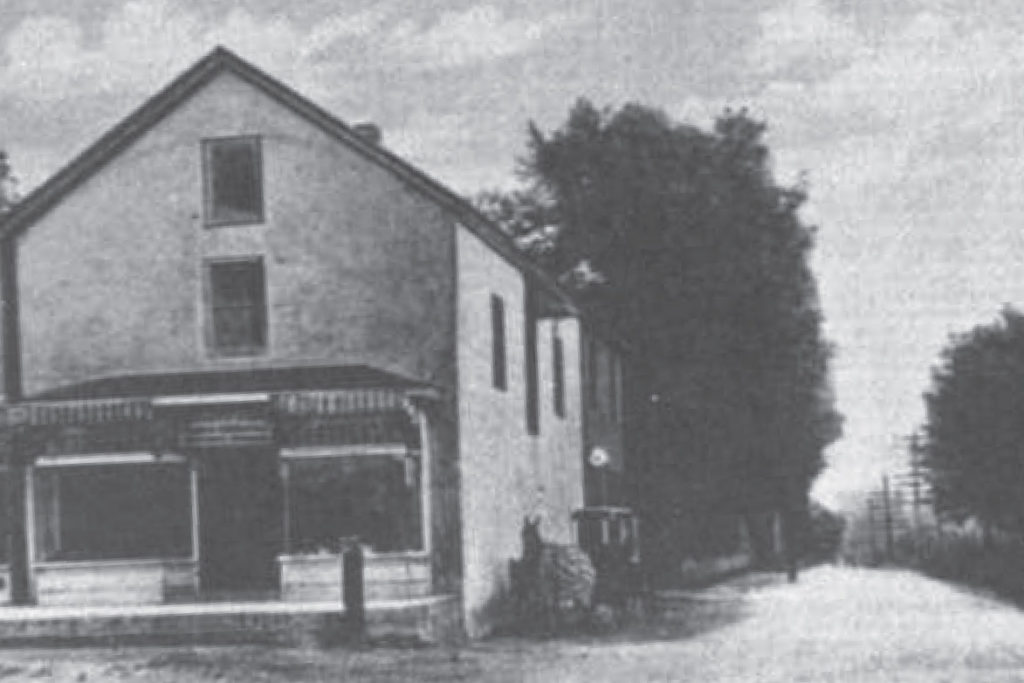
 Photos courtesy of Newtown Square Historical Society
While the Pennsylvania Railroad did not start until 1894, Newtown had a very active railroad prior to the Civil War: the Underground Railroad. When slaves escaped servitude in the South, they followed the “drinking gourd” – the Big Dipper, traveling at night and hiding out during the day in homes and barns. They were led by local “conductors” who knew the safe houses, as well as unsympathetic neighbors to be avoided.
Newtown was largely settled by Quakers who were very active in the abolition movement, and, therefore, sympathetic to the idea of a railroad transporting escaped slaves to the next stop.
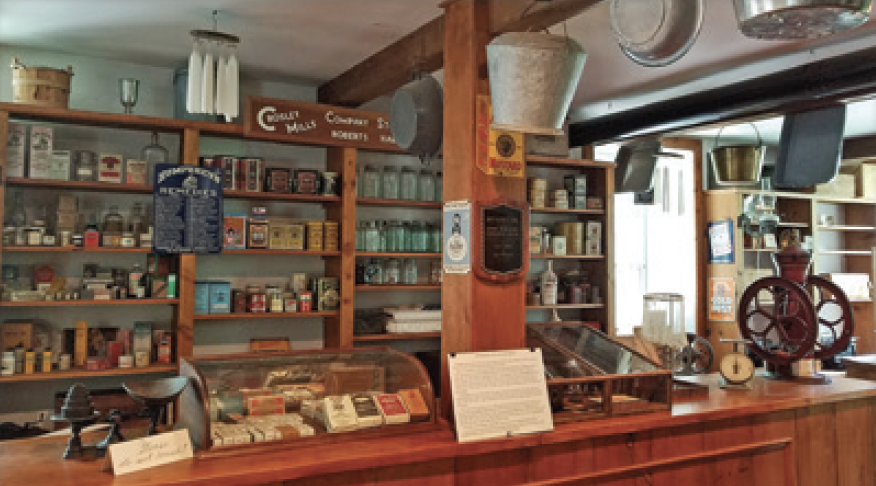
Paper Mill House and Museum
in Newtown Square
David Garrett Pratt was from an old Quaker family, and as the proprietor of the general store and post office next to the Farmers Inn, he was in a position to know all the local news. If search parties stopped to quench their thirst, Pratt would engage them in conversation, listen sympathetically, and draw them out as to their plans. He would then know when it was safe to spirit his contraband cargo — hidden under supplies in his wagon — off to the next stop. Perhaps it was to the Lewis Tannery in Marple, or to one of Samuel Sellers’ safe houses in Upper Darby, or all the way into a wharf on the Delaware River, where a friendly captain would take the contraband cargo to the next stop, to New Jersey or farther north.
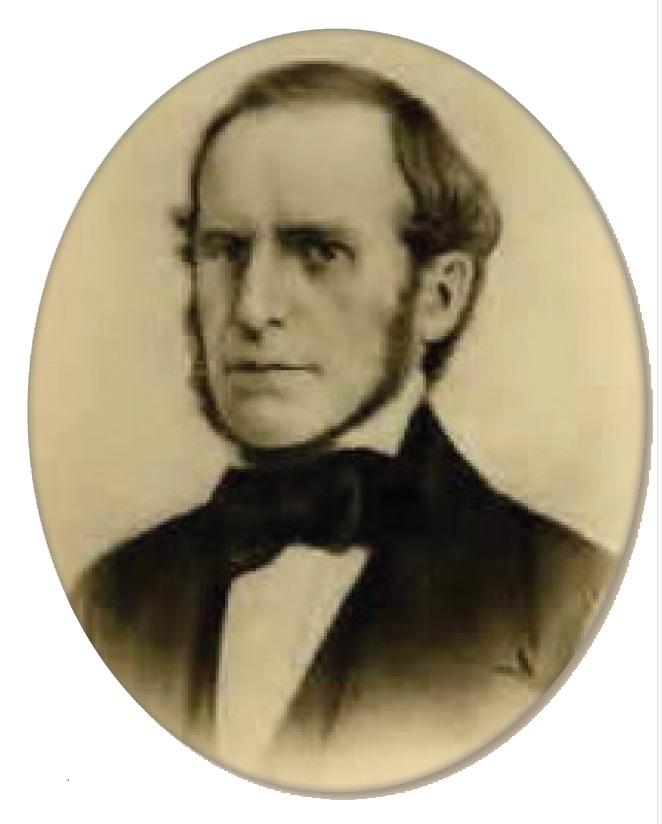
whose grandson had a large
estate in Newtown, on namesake
Earle’s Lane
Pratt may have been invited by his Lewis in-laws to hear abolitionist attorney Thomas Earle speak at the local public schoolhouse in Marple. When Earle arrived, a gang of 20 rough opponents were an intimidating presence. Earle did not want to stir up trouble, so he asked that a vote be taken about whether to proceed. The vote was almost unanimous, and he spoke for nearly two hours. He reviewed the views of the Founding Fathers in opposition to slavery, the evils of a lifetime of enslaved toil and of families being separated on an auction block. When he was done, many of the rough crowd “who came to scoff remained to pray.”
Pratt was never caught. He died on his 73rd birthday. In 1840, Thomas Earle ran for U.S. Vice-President on the Liberty Party ticket with James Birney. Although defeated, they helped plant the seeds of the Republican Party that swept into office in 1860 under Abraham Lincoln. After the Civil War, the Underground Railroad became unnecessary.
For more history on Newtown Square, Delaware County, and membership information, please visit our website: www.NSHistory.org. Calendar activities limited in winter 2022 due to COVID. Please check website for possible February activities.
